TIKTOK SHOP U.S. · BRAND PROTECTION
Brand Authorization, Cobranded Authorization or Image Originality Protection?
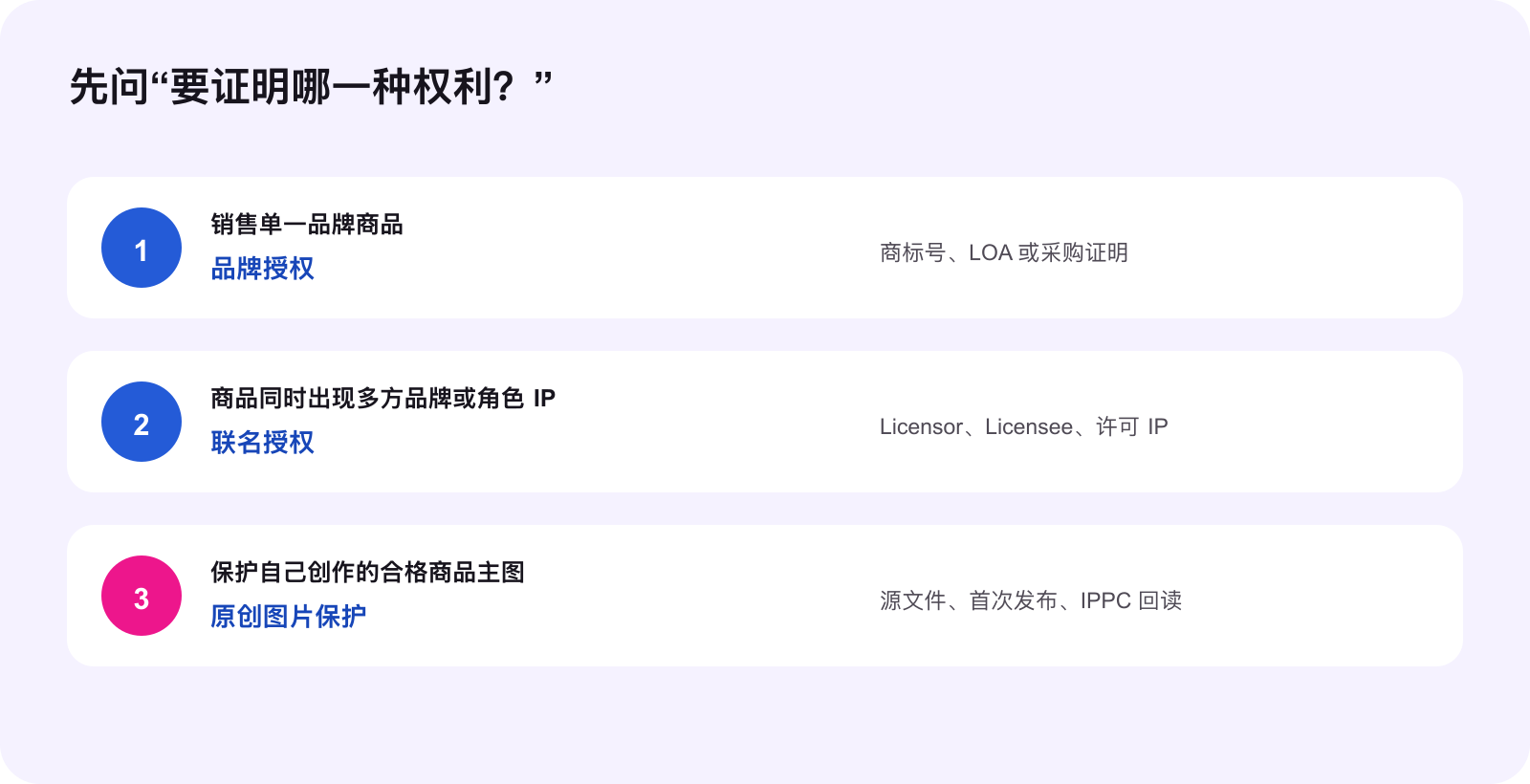
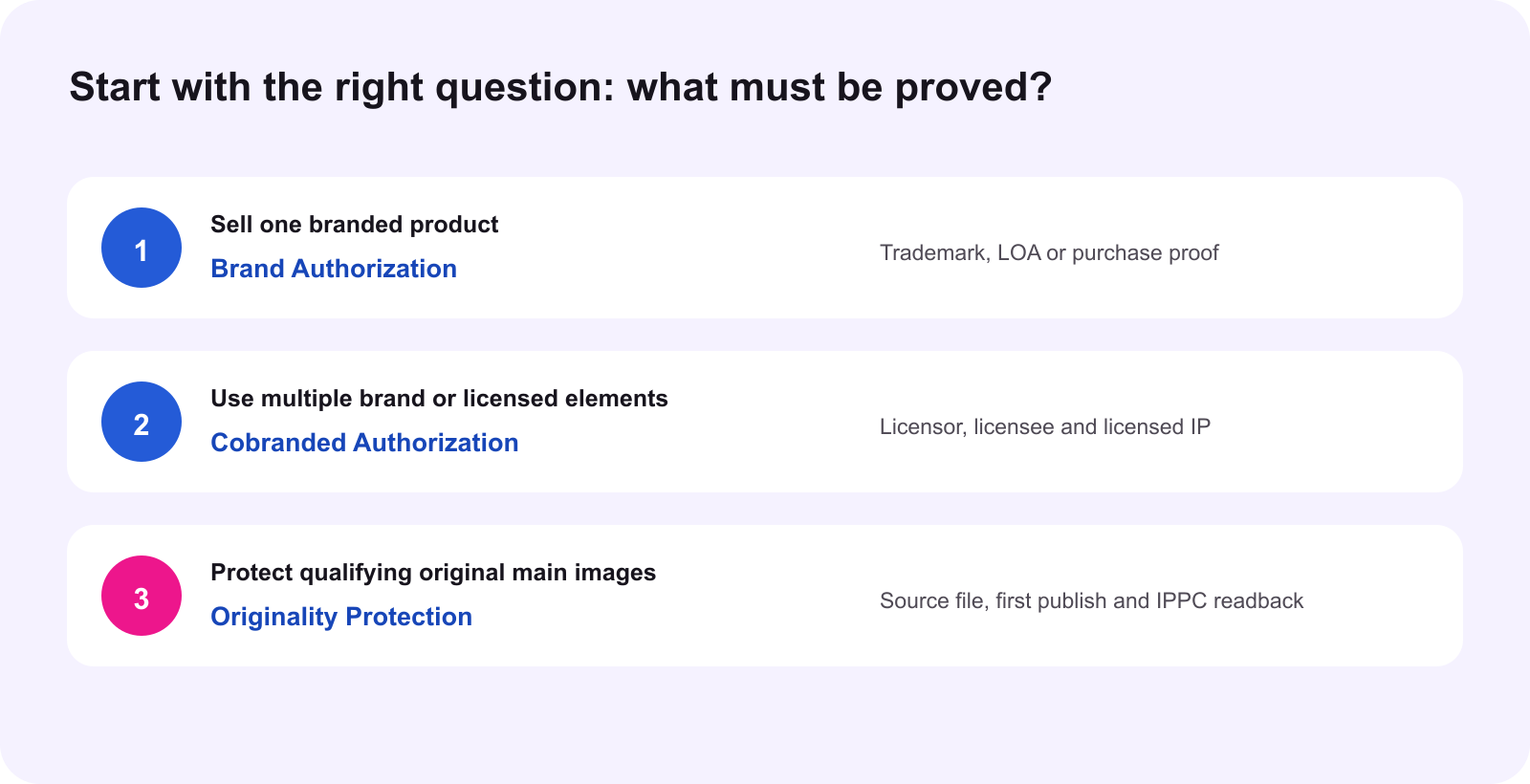
Direct answer: choose the route by the right you need to prove. Use Brand Authorization when the seller must prove permission to list products under one brand. Use Cobranded Authorization when the product combines the seller's brand with another brand, character, logo or licensed IP. Use Originality Protection when an eligible seller wants image-level protection for qualifying original main product images. These controls can overlap, but none substitutes for the others.
The practical error is starting with the name of a TikTok Shop feature. Start with the product, the seller entity and the exact right in question. A reseller may have permission to sell a branded item but no license to place a third-party character on it. A licensee may have a valid collaboration agreement but no right to reuse a studio's photograph. A brand may own an image but still not meet the platform's current OP criteria. The decision tree below keeps those questions separate.
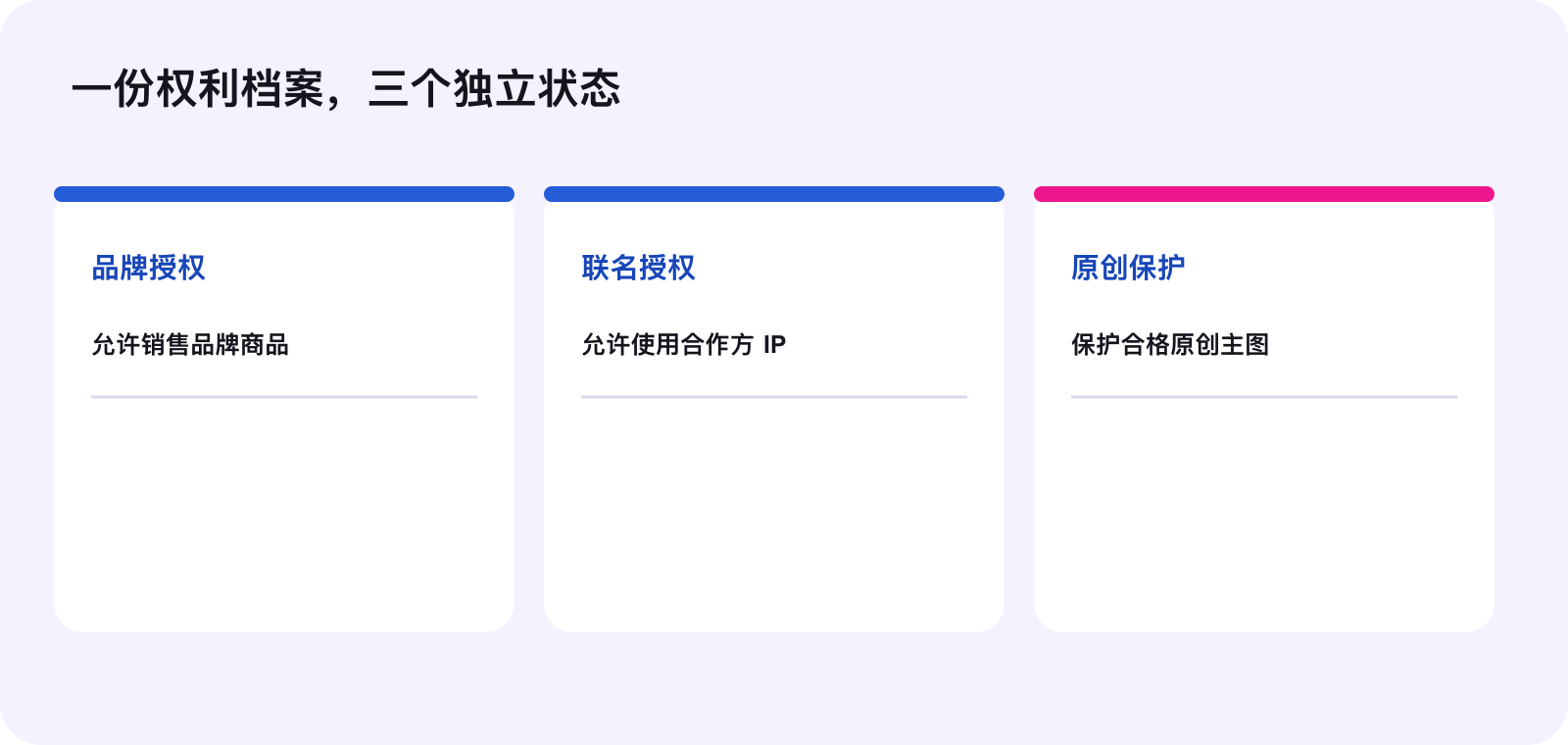
Three routes solve three different problems
Brand Authorization is the product-and-brand route. The current U.S. guide says authorization may be required for products containing restricted trademarks. Applications go through the Qualification Center, and the evidence depends on the seller's relationship to the brand. A trademark owner uses a U.S. trademark registration and verification. A first-level authorized seller submits a Letter of Authorization from the owner. A second-level seller documents the chain from owner to distributor and from distributor to the seller, subject to the current application flow. Proof of Purchase may be available where the seller can demonstrate inventory came from a legitimate distributor.
Cobranded Authorization is the collaboration-and-license route. The current guide defines cobranding as a product that features identifiers from two or more brands, usually supported by a licensing agreement. The application must clearly identify the licensor, the licensee, the licensed IP, the license term and the intended product category. After approval, the guide instructs the seller to list under the licensee's brand. A reseller of a cobranded product is not excused from the evidence requirement; the guide says the reseller must obtain a copy of the cobranding licensing agreement.
Originality Protection is the qualifying-image route. It does not authorize sale of a brand and does not establish a collaboration license. For eligible participants, the program evaluates main product images during listing and can register qualifying images in IPPC as protected assets. Current criteria include a main product image, first publication on TikTok Shop and sufficient clarity. Protection lasts one year. Failed verification does not block the seller's own listing, and that verification result is not appealable.
Decision 1: is the listing for one brand?
Map every visible brand signal before opening the application. Inspect the product, packaging, title, main image, detail images, variants, shop name and planned content. If the commercial item belongs to one brand and the seller needs permission to list it, begin with Brand Authorization. Do not choose “No brand” for a clearly branded item while waiting. The official guide expressly warns that this is prohibited and may result in removal.
Next classify the applicant. Is it the trademark owner, a party authorized directly by the owner, a party authorized through a distributor, or a reseller relying on valid purchase evidence? The name on the document must connect to the Company or Owner name on the seller account. Brand name, capitalization, punctuation and spacing should match the official website, trademark record, packaging and labels. The authorization must also address the relevant region, category and term.
For a Letter of Authorization, create a preflight table with grantor, recipient, brand, category, territory, start date, expiration or permanent status, signature or official stamp and seller-entity match. The current guide says the document should be clear and legible, and that renewal should begin at least 30 days before expiration. Approval applies to future products under that brand. Existing listings need to be edited, assigned the brand and republished for the authorization to apply.
Decision 2: does the product combine brand or licensed elements?
If a product carries the seller's brand plus another brand, logo, character, design or licensed identifier, the ordinary single-brand file may not explain the complete rights chain. Route it through Cobranded Authorization. The license agreement must make the roles explicit: the licensor grants use of the IP, the licensee receives that permission, and the licensed IP is the exact trademark, character, logo or identifier used on the product.
The product category should match the licensor IP's trademark class, and the license must be active or clearly permanent. The licensor name and licensed IP should match the official trademark record. The licensee name should match the business documents associated with the seller account. If one agreement covers several characters, the current guide says the seller may reuse the agreement but must still submit individual applications for each character.
Do not confuse a distribution agreement with an IP license. The IP Policy says TikTok Shop does not typically enforce private distribution agreements unless separate IP infringement exists. A commercial right to distribute inventory, a license to place a brand or character on a product, and permission to use an image are different instruments. The operator should identify which one the submitted document actually grants.
Decision 3: who owns or may use the listing images?
After the product route is clear, audit the image route independently. Ask who created each main image, who owns it, whether the seller received written commercial-use rights, where it first appeared and whether it is a qualifying main image. Supplier access to a JPEG is not evidence of a license. Permission to sell the product is not automatically permission to copy the brand owner's or another seller's photography.
If the seller created a new image, keep the raw file, brief, creator record, edits, final approval, hash and publication history under one Asset ID. If an agency, freelancer or studio created it, connect the service agreement, assignment or license to that ID. If another rights holder owns it, keep written authorization that identifies the parties, permitted use, United States coverage and valid term.
For enrolled OP participants, record the IPPC protected-asset readback after listing. Do not state that every original image is automatically protected. The current program is eligibility-based, covers qualifying main product images, and excludes the secondary images, detail shots and videos identified in its FAQ. The program page also says the Proactive Push and Quick Removal Risk Alert capability will be available shortly, so this article does not present that alert as universally live.
Build one rights file without collapsing the statuses
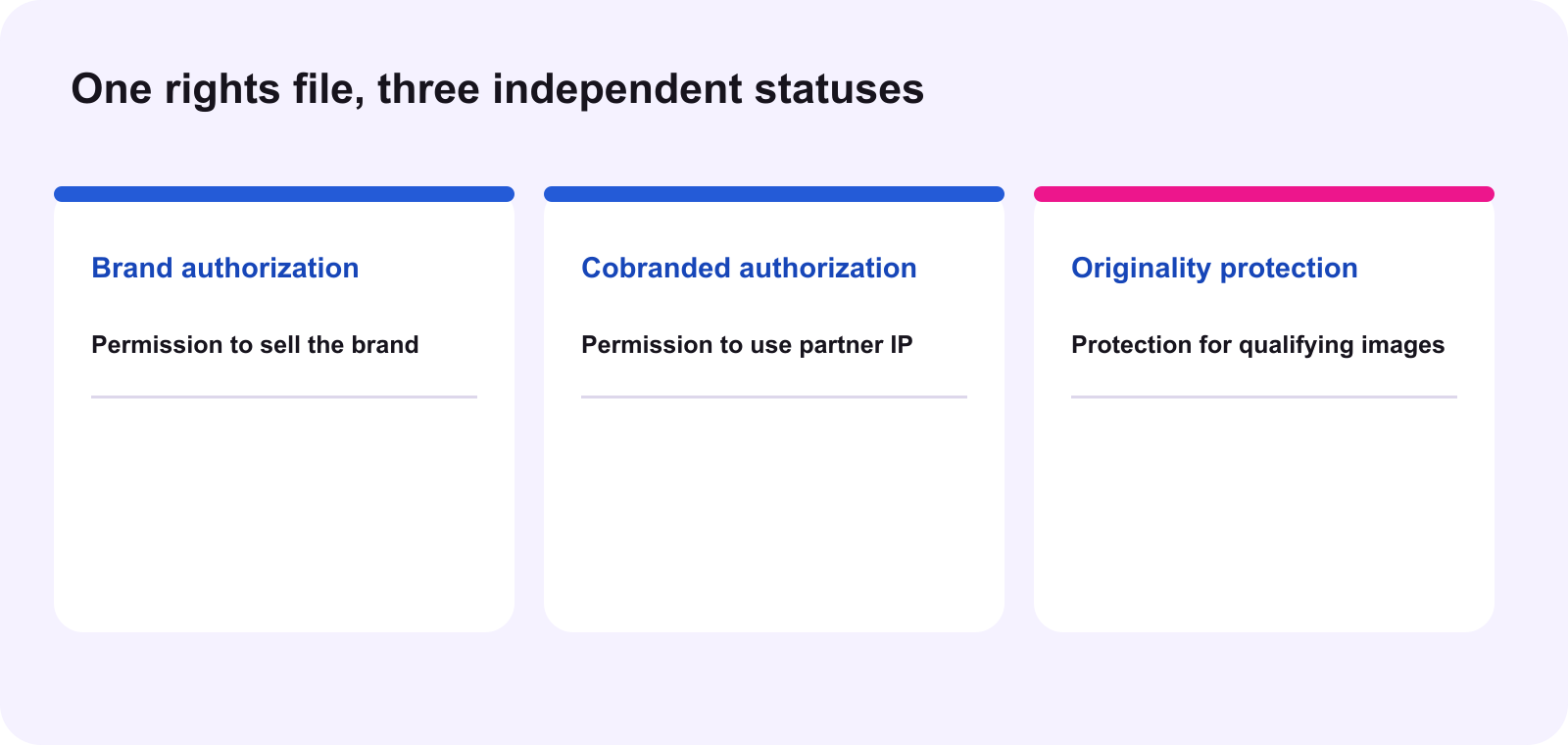
Create a rights-file ID for the product family. Inside it, keep four linked sections: seller-and-product identity, brand authorization, collaboration licenses and image provenance. Each section needs its own owner, status, expiry, last verification date and source document. A single green “approved” field is too vague because a brand authorization can be valid while a character license has expired, or an OP asset can be registered while the seller's product authorization remains incomplete.
| Control | Question | Minimum operating evidence |
|---|---|---|
| Seller identity | Which legal entity lists the product? | Seller account name, company record and responsible owner |
| Brand route | Why may this entity sell under the brand? | Trademark record, LOA chain or accepted purchase proof |
| Cobrand route | Why may the product use the partner IP? | Complete agreement, licensor, licensee, licensed IP, class and term |
| Image route | Why may this exact image be used or protected? | Asset ID, source file, creation or authorization record and publication history |
| Platform readback | What did the current account actually approve? | Qualification result, IPPC asset, notice, appeal or rejection record |
Run a release gate before the listing goes live
First, freeze the final SKU, packaging and brand presentation. Second, verify that the seller entity in the account matches the party named in the submitted documents. Third, check the ordinary brand authorization route. Fourth, check whether every visible external brand, character or licensed identifier creates a cobrand requirement. Fifth, verify image ownership and permission. Sixth, save the actual approval or rejection readback instead of treating submission as approval.
For renewals, calculate the operating deadline from the earliest expiring control, not from the launch date. A permanent brand authorization does not keep a time-limited character license alive. An active license does not renew an expiring Letter of Authorization. A protected image's one-year OP period does not extend any product or IP license. Route each expiry to the correct owner.
If the platform issues an infringement notice, open the exact case and use the appeal path and evidence requested for that violation. The IP Policy describes Seller Center appeals and, for certain copyright removals, DMCA counter-notices. It also warns that deliberately misleading notices can create liability. When ownership, scope, infringement or counter-notice language is uncertain, use qualified U.S. intellectual-property counsel rather than converting an operational checklist into legal advice.
Operational example: licensed character packaging with studio photography
Consider a hypothetical beverage brand selling a bottle that carries its own brand plus a licensed entertainment character. The seller first confirms the ordinary brand authorization for its beverage brand. It then builds the cobrand file showing the character owner or licensing representative as licensor, the beverage brand as licensee, the exact character as licensed IP, the covered category and the active term.
A studio photographs the finished bottle. That studio contract is added to the separate image file, along with raw captures, approved edits and assignment or license language. If the image is first published as a qualifying TikTok Shop main image and the seller is enrolled in OP, the team records the IPPC result. Neither the character license nor the OP status replaces the other. The launch gate closes only when the seller, brand, cobrand and image records all match the final SKU.
The smallest useful next action
Choose one SKU scheduled to publish this week and create four rows: seller entity, brand route, cobrand route, image route. Mark each row Yes, No or Not applicable, attach the exact evidence and name the owner. If any Yes row lacks a matching document or current platform readback, hold that part of the release until it is resolved.
Source notes and execution boundary
This original WE Marketing decision system draws on the current TikTok Shop U.S. Requirements for Brand Authorization, Requirements for Cobranded Brand Authorization, Intellectual Property Policy and Originality Protection Program, revalidated October 7, 2026. The sources describe the current platform routes and evidence expectations. They do not guarantee application approval, OP eligibility, enforcement or appeal outcome. Interfaces and policy can change. Verify the current Seller Center and IPPC account, and use qualified counsel for ownership, licensing, infringement or legal-preservation decisions.
Common questions
Does Brand Authorization protect my product images?
No. Brand Authorization confirms a route to sell products of a specific brand. Image-level protection is a separate Originality Protection workflow with separate eligibility and evidence.
When is Cobranded Authorization the right route?
Use it when a product features your own brand together with another brand or licensed IP, and the licensing relationship can identify the licensor, licensee and licensed IP.
If I only resell a cobranded product, do I still need the license agreement?
The current official guide says a reseller must obtain and submit a copy of the cobranding licensing agreement, often with help from the supplier.
Can I list a branded item as No brand while authorization is pending?
No. The current Brand Authorization guide says selecting No brand for a clearly branded product is prohibited and may lead to listing removal.
Does OP cover every photo used in a listing?
No. The current program covers qualifying main product images for eligible participants. Secondary images, detail shots and videos are outside the stated program coverage.
What if the same listing needs both a brand license and image permission?
Maintain both records. A license to sell or co-brand the product does not automatically grant rights to every image, and image authorization does not replace the brand or licensing route.