BFCM · CREATOR OPERATIONS
Spend Your Remaining BFCM Creator Invitations on Work That Can Actually Happen
For a U.S. brand on November 26, the best use of a TikTok Shop creator invitation is a realistic collaboration, not a larger outreach count. Check your current invitation quota by creator tier, then prioritize product fit, product access and an agreed task that can still happen. A creator who needs a new shipment and a meaningful trial period may be a good partner for the next campaign rather than the remaining BFCM window.
WEM recommends separating existing partner follow-up from new recruitment. Someone who already knows the product needs different information from a creator encountering your brand for the first time. Neither a previous sale nor an accepted invitation guarantees a new post. Ask for the actual next step and keep the creator's agreement visible.
Read your quota before allocating the work
TikTok Shop's Targeted Collaboration Playbook describes weekly quotas that depend on seller and creator tiers, with a gradual rollout beginning in October. Read the current allocation in your own account rather than copying another seller's numbers. A welcome pack or bonus balance can also change what the interface shows first.
The guide's daily ceiling describes up to 200 invitation records, with up to 50 creators per invitation. It does not mean every seller can contact 10,000 appropriate creators every day regardless of weekly tier quota. Keep the unit clear when planning or reporting: invitation records, creator recipients and available tier capacity are different quantities.
If a tool or connected application also sends invitations, check how its activity is reflected in the same account before adding more work. Do not assume that a second interface creates extra allowance. If the remaining balance is unclear, reconcile the account record with the operator responsible for the other tool. Uncertainty is a reason to clarify the allocation, not to multiply duplicate attempts.
Build three practical groups
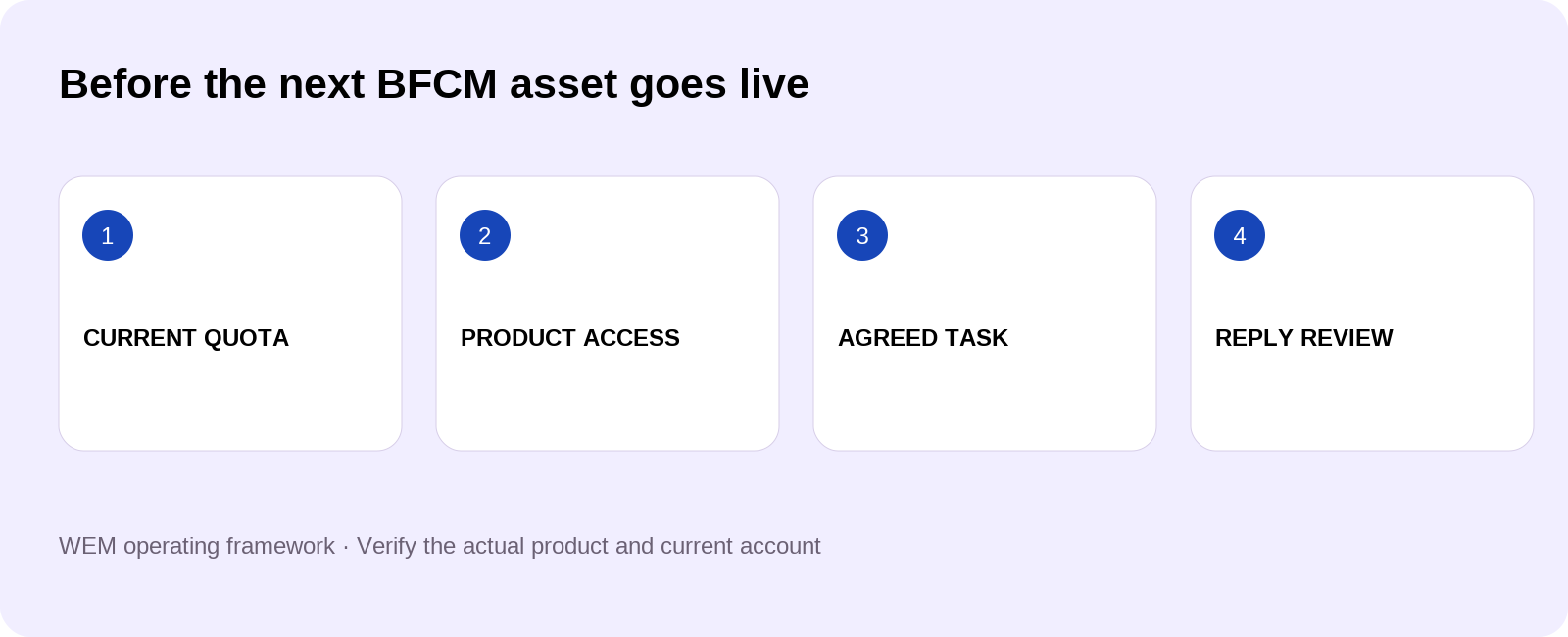
The first group is existing partners who have the exact product and have previously produced relevant work. Review their current activity and any agreement before sending another request. The useful question is whether a current product or offer update would help them, and whether they want to participate now.
The second group is new or recently engaged creators with confirmed product access and a clear category match. They still need accurate terms, a realistic deliverable and a chance to agree the schedule. Product access removes one dependency; it does not establish interest, account eligibility or available time.
The third group is promising future partners who still need samples, product education or a longer trial. Keep recruiting when it serves a real future plan, but do not count these people as committed BFCM output. A separate next-campaign list allows the team to invest in them without pretending an uncertain delivery will produce an immediate video.
Match the product to the creator's recent work
Look at recent relevant content before deciding that follower count or tier makes someone a strong fit. Can the creator explain the product in a way their audience understands? Have they demonstrated similar items accurately? Are the audience's questions relevant to your actual offer?
For a U.S. beauty brand, a creator who explains texture and routine placement may be useful for a product that requires education. A different creator may be better at showing shade or application. Choose the content job before choosing the largest account. These are planning examples, not a claim that one format consistently outperforms another.
Also check the exact SKU. A creator who owns a prior formula, size or bundle does not necessarily have the product being promoted now. Confirm the difference before asking for a new video or link change. A small mismatch can turn an otherwise useful invitation into inaccurate product content.
Make the invitation easy to evaluate
State the product, why it fits, the actual commission or other proposed terms, the sample arrangement and one possible content task. Include a realistic timing question. An invitation should let the creator decide whether the collaboration works without a long exchange to uncover basic conditions.
Do not invent urgency on the creator's behalf. “Can you confirm whether a demonstration this weekend is realistic?” is a question. “We have your video scheduled for Saturday” is a commitment the creator may never have made. Keep proposed dates separate from accepted dates in your tracking.
For an existing partner, start with the relevant change. That might be the current product link, a verified offer update or a customer question their prior content did not answer. Avoid sending a generic first-touch pitch to someone who has already worked with the brand. Check previous messages so a necessary update does not become repeated same-day recruitment.
Reserve capacity for the replies you can support
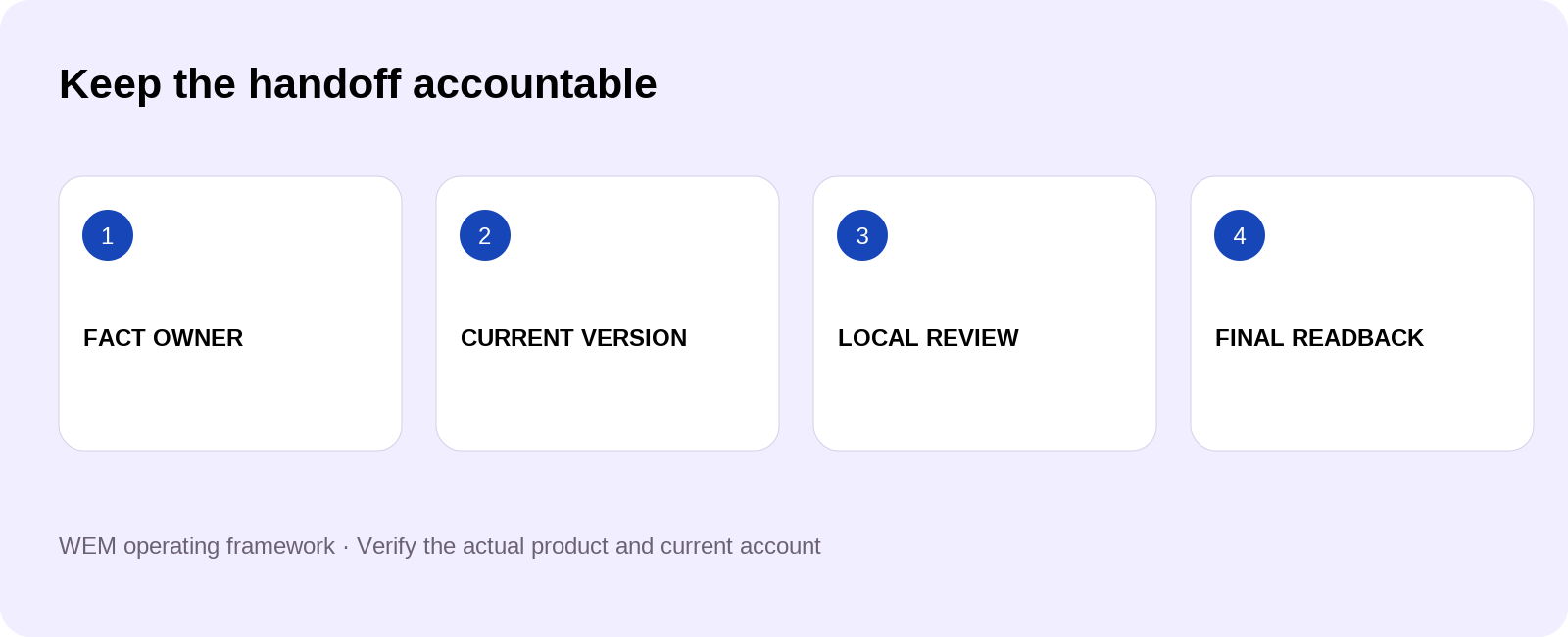
More invitations create more sample questions, product questions and term discussions. Before expanding a batch, check whether the team can respond and whether sample approval authority and available stock are clear. Do not promise a free sample merely because the invitation interface makes it easy to write one.
WEM would give each active conversation a next action and owner. A creator waiting for a product answer needs that answer, not another automated invitation. A sample request awaiting a decision needs the authorized operator's review. A creator who declines or is unavailable should leave the current activity list so another tool does not reopen the same request.
Leave room to handle good replies before starting another batch. This is a capacity decision, not a universal numerical formula. The appropriate batch size depends on the current account, the available products, the response workload and the time required to support a real collaboration.
Keep the remaining holiday window honest
Product delivery, actual testing, filming, review and publication are separate stages. A carrier estimate is not proof that a creator can finish all of them before Cyber Monday. Ask the creator what is realistic once the necessary product and information are available. Do not pressure them to describe an experience they have not had.
For a product whose benefit needs repeated use, a short-window content task may focus on accurately observable details such as packaging, application or routine placement, if appropriate. That does not justify claiming a long-term outcome early. The content brief must match the experience and evidence available today.
If the timeline does not fit, move the opportunity to a named next period. Keep the interest and learning rather than labeling the creator a failure for missing a date they never accepted. A useful creator relationship can outlast a sale weekend; a false promise creates work for everyone after the campaign ends.
Judge progress by collaboration stages
Report relevant creators reviewed, invitations sent, replies, agreed terms, approved sample decisions, actual product receipt and accepted content separately. Do not convert an invitation into a booking or a sample shipment into a published asset. These distinctions make the remaining workload visible.
The official playbook describes possible bonus invitations for effective engagement. Treat that as a potential platform benefit, not a guaranteed reward for sending more messages. WEM's operating priority is the quality and executability of the partnership, with actual account readback providing evidence of any change in available quota.
After BFCM, compare cohorts with the same stage definitions. A group may reply well but need better product information; another may have good fit but poor shipping timing. Those are different problems. Accurate stages allow the next recruitment decision to address the actual constraint instead of increasing volume by default.
The smallest action today
Read the current quota, pick one relevant product and review a small set of creators against product access and realistic timing. Send only the invitations the team can support, then resolve the replies before allocating another batch. Keep next-campaign prospects in a separate plan with no invented BFCM commitment.
Frequently asked questions
Is the TikTok Shop daily limit 200 creators?
The reviewed guide describes up to 200 invitation records per day, with up to 50 creators in each. Weekly tier quotas and the account's current state still constrain the usable allocation. Do not confuse records with recipients.
Where should a brand check its current invitation quota?
Use the current Target Collaborations area in the account and review the balance by creator tier. Welcome or bonus allocations may affect what appears first, so preserve the actual account readback when planning.
Should we invite the highest-tier creators first?
Not automatically. Review product fit, relevant recent content, product access and a realistic agreed task. A high tier alone does not establish interest or readiness for your remaining BFCM work.
Can an existing partner be counted as a confirmed BFCM post?
Only when the actual task and timing have been agreed. Previous work and product ownership are useful context, but they do not create a new commitment.
What if a promising creator still needs a sample?
Check authorization, available stock, delivery and the creator's real testing and filming time. If the remaining window is unrealistic, plan the relationship for the next campaign rather than promising a rushed post.
Do good invitations guarantee bonus quota?
No. The official playbook describes possible bonus invitations based on engagement. Confirm any allocation in the account; do not promise extra quota or treat it as the main reason to recruit.
Source notes
Reviewed November 26, 2026: TikTok Shop Targeted Collaboration Playbook. Account rollout and balances must be checked in the actual account. Grouping, workflow and beauty examples are WEM recommendations, not universal platform quotas or reported client results.