BFCM CONTENT · AI REVIEW
Reusing BFCM Videos? Review the AI Voice, the Presenter and the Product Effect
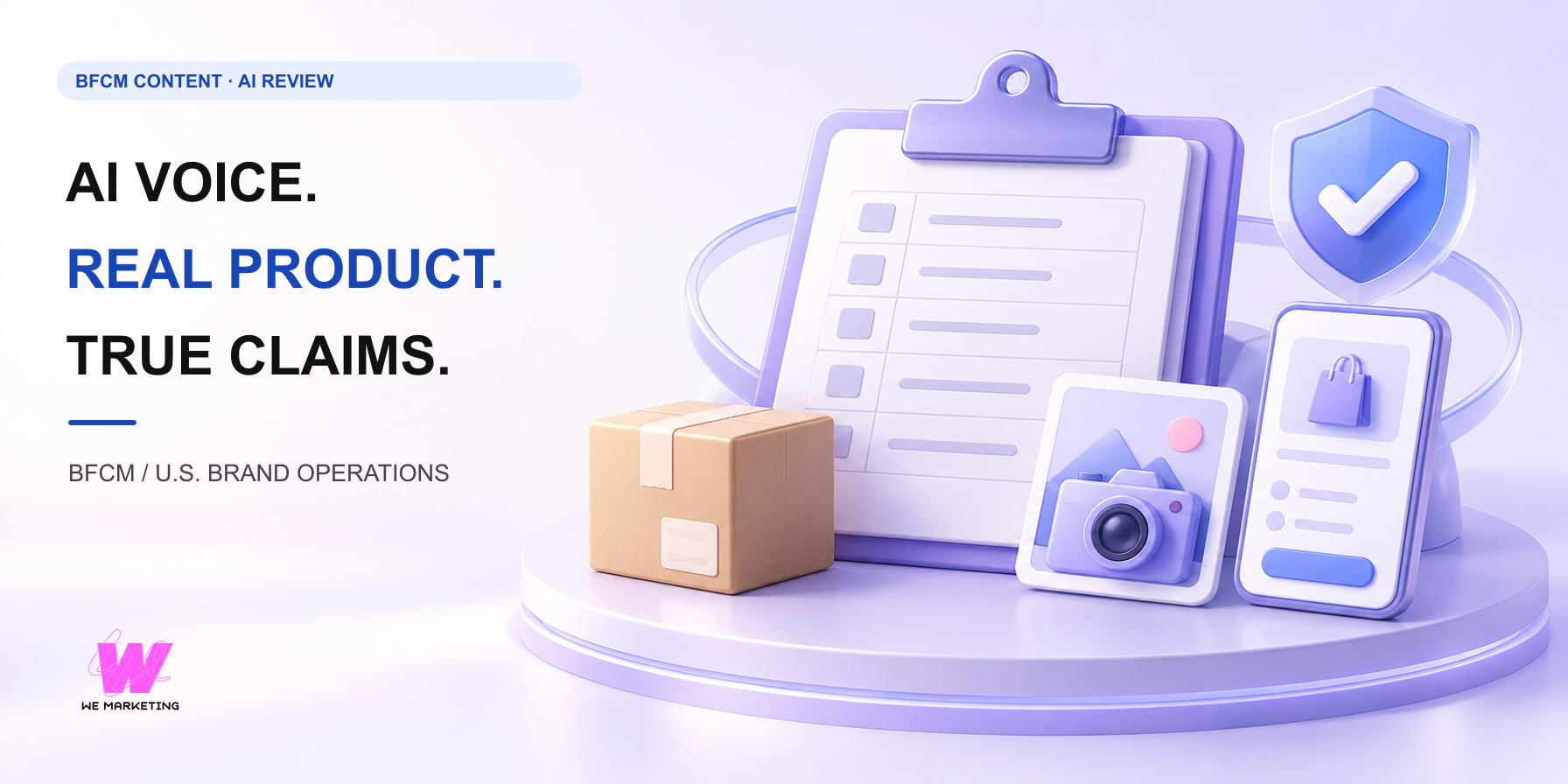
A U.S. brand can use AI to help translate, edit or explain a product, but an AI label does not make a false endorsement or invented result acceptable. Before reusing a holiday video, check three separate things: who the viewer thinks is speaking, what the viewer believes the product does, and whether the AI use needs disclosure. Approving one of those does not approve the others.
For the remaining Black Friday and Cyber Monday activity, WEM recommends reviewing assets already selected for distribution before commissioning a new batch of synthetic variations. Start with the most consequential promise in each video. The aim is to give a customer an accurate reason to consider the real product, with a version the brand and creator can both stand behind.
Begin with the impression the video creates
Watch the video once without reading the caption. Ask a reviewer to describe the speaker and the product result in ordinary language. If the answer is “a doctor says this repairs the condition immediately,” that impression matters even if the script never uses those exact words. Clothing, setting, voice, editing and a demonstration can work together to make a claim.
Then compare that impression with the actual evidence. A synthetic presenter may simply narrate product instructions, or it may appear to be a real customer, clinician or independent expert. Those are different representations. Do not let a production label such as “educational creative” replace the question of what a shopper reasonably understands.
For a hypothetical skincare asset, an animated diagram can explain a verified routine step. It should not manufacture a clinical result, a customer testimonial or a specialist's recommendation. This example illustrates a review decision, not a claim about a WEM client's product or a promise that any particular execution will be approved.
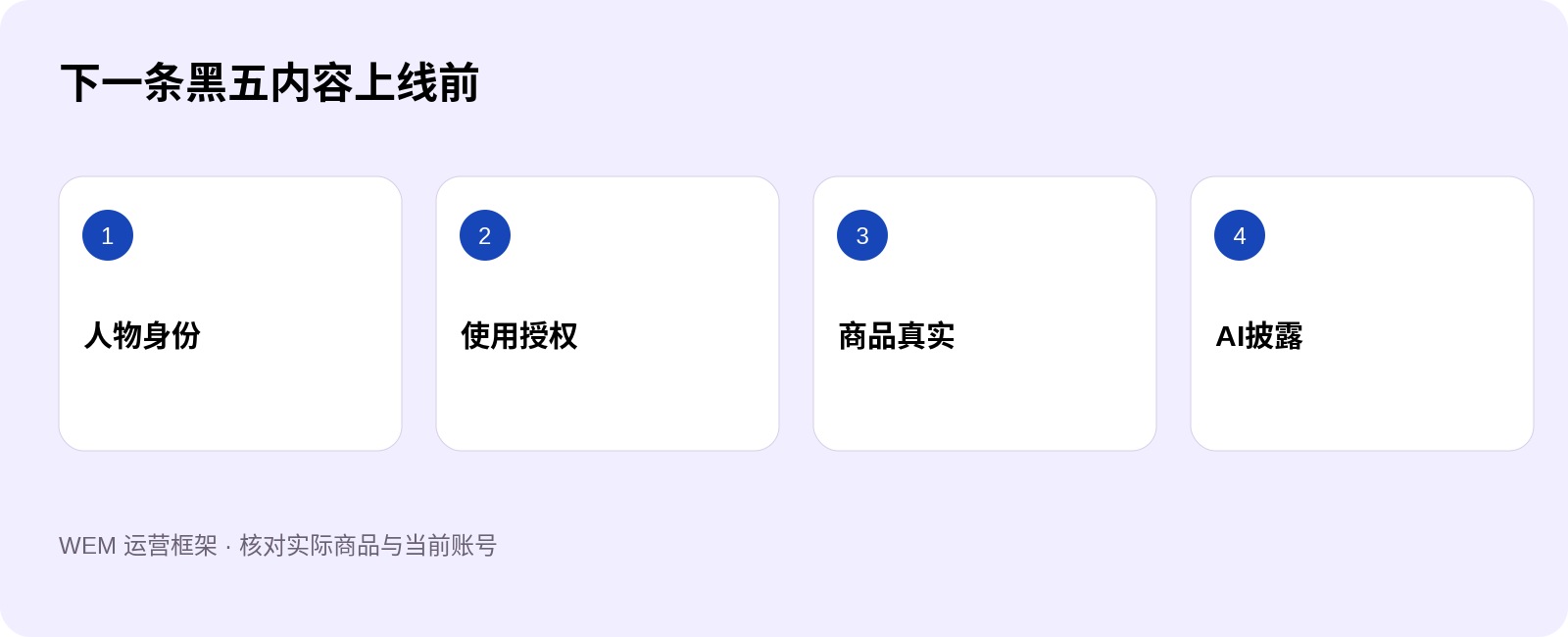
Check identity and permission before polishing the voice
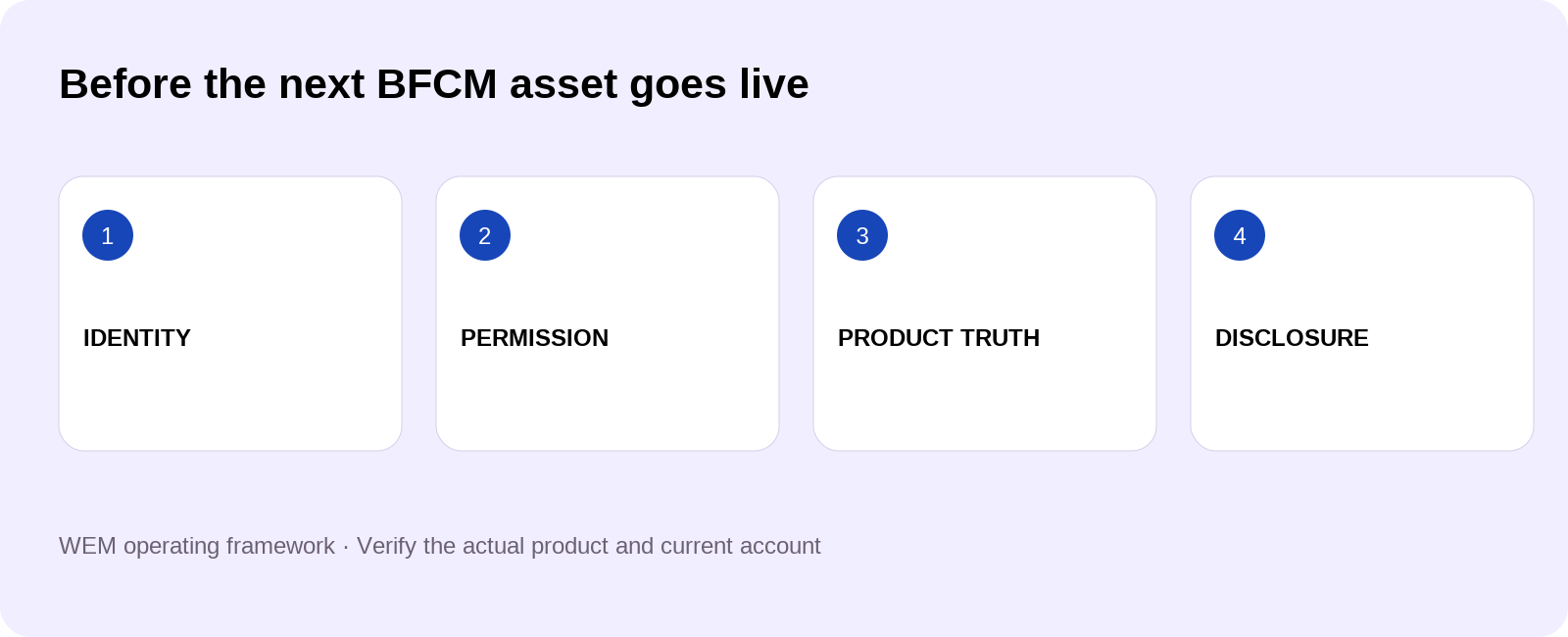
TikTok Shop's AI content requirements address unauthorized identity, likeness and voice use, as well as fabricated professional personas. Ask who supplied the original voice or face, what permission exists and what the permission actually covers. A vendor saying that an asset is commercially usable is not a substitute for understanding the representation in your advertisement.
For an existing creator partnership, confirm whether the agreement covers synthetic dubbing or other meaningful alteration. Permission to use a posted video should not be assumed to authorize a cloned voice, changed statement or appearance in every channel. Keep the exact proposed use visible when the parties discuss rights.
The same care applies to language adaptation. A natural English voice can make an international brand easier to understand. It can also make a speaker appear to say something they never approved. Review the translated meaning with the original statement, and agree any substantive change before distributing the version. Fluency is useful only if the facts and authorization remain intact.
An AI disclosure is a separate decision
The official requirements call for disclosure when content is fully generated or significantly altered with AI, including synthetic voices, faces and realistic virtual figures in the relevant circumstances. They also distinguish substantial changes from minor enhancements. Do not treat every crop or basic color adjustment as the same kind of intervention.
Make a short record of what the tool changed. Was it background noise, a translation, a person's speech, a realistic presenter or the product demonstration itself? That description helps the publishing owner apply the current disclosure requirements to the actual asset rather than relying on a vague “AI used” note.
After selecting the required disclosure method, check the final published version. A setting enabled in a draft does not prove that the customer-facing asset carries the intended disclosure. Equally, an AI label cannot cure a fabricated professional endorsement, unsupported performance or unauthorized impersonation. Review truth and permission before treating disclosure as the final step.
Match every generated effect to the real SKU
AI can alter more than a face. A scene may add accessories, enlarge a product, change a bundle or make a result appear immediate. Compare the video with the exact SKU, its packaging, instructions and product detail page. A visually appealing result can still describe something the customer will never receive.
For beauty, inspect texture, skin appearance and the suggested passage of time. A transition may look like a routine before-and-after while silently compressing a result the product cannot support. Do not use synthetic changes to substitute for missing evidence. If a visual is only an illustration, ensure the execution does not present it as an observed customer outcome.
Use the same process for non-beauty products. A generated cleaning scene, size comparison or compatibility example must reflect the actual item. “It is only a creative effect” is not a useful answer if the effect is the central reason a viewer expects the product to work. Evidence needs to support the claim created by the whole asset.
Give revisions a narrow, accountable scope
When the product demonstration is otherwise accurate, a specific correction may be more useful than an open-ended request to make the video compliant. Identify the sentence, frame or identity cue that creates the unsupported impression. Explain the supported alternative and ask the creator or editor to confirm the change and timing.
For example, an editor might replace an invented expert introduction with a neutral narrator and retain a verified explanation of product use. That change does not automatically clear the rest of the video. The final file still needs a review of product representation, rights, disclosure and the linked offer. Do not approve a revision based only on a chat message saying it was fixed.
Keep the asset identifier, language, edit date and reviewer together. During BFCM, several versions may circulate between a creator, brand team and paid media operator. A useful approval names the actual file. It should not be possible to mistake a corrected organic version for an older paid version that contains the same problem.
Treat cross-channel reuse as another permission check
A TikTok Shop video that performs well may be useful elsewhere, but performance does not establish reuse rights. Before adapting it for another platform, confirm the agreement, music and other included materials, the proposed edits and the destination. Do not assume that an in-platform permission covers a separately uploaded advertisement.
This review also provides a chance to update the offer. A video can be truthful about a product and still advertise a holiday price or gift that has ended. Match the linked SKU, current promotion and visible dates to the version being distributed. Removing an old countdown is not enough if the remaining narration still promises an unavailable deal.
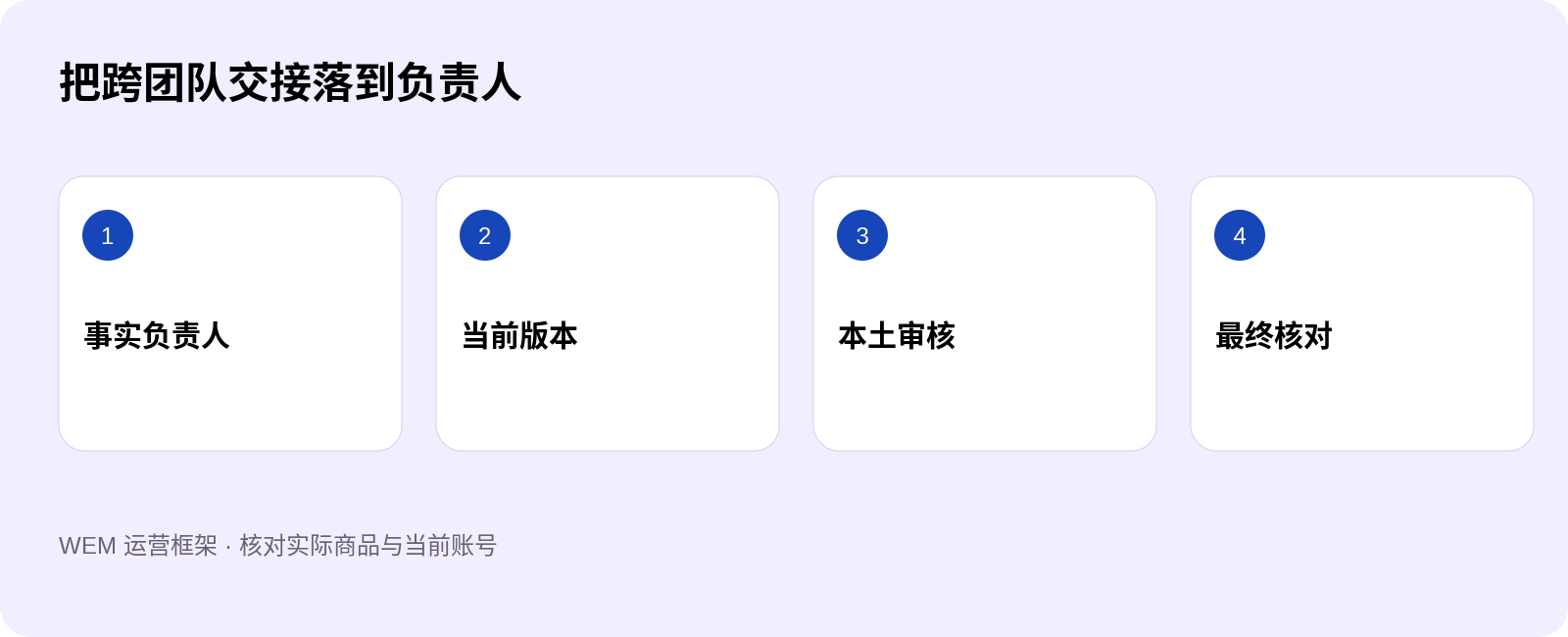
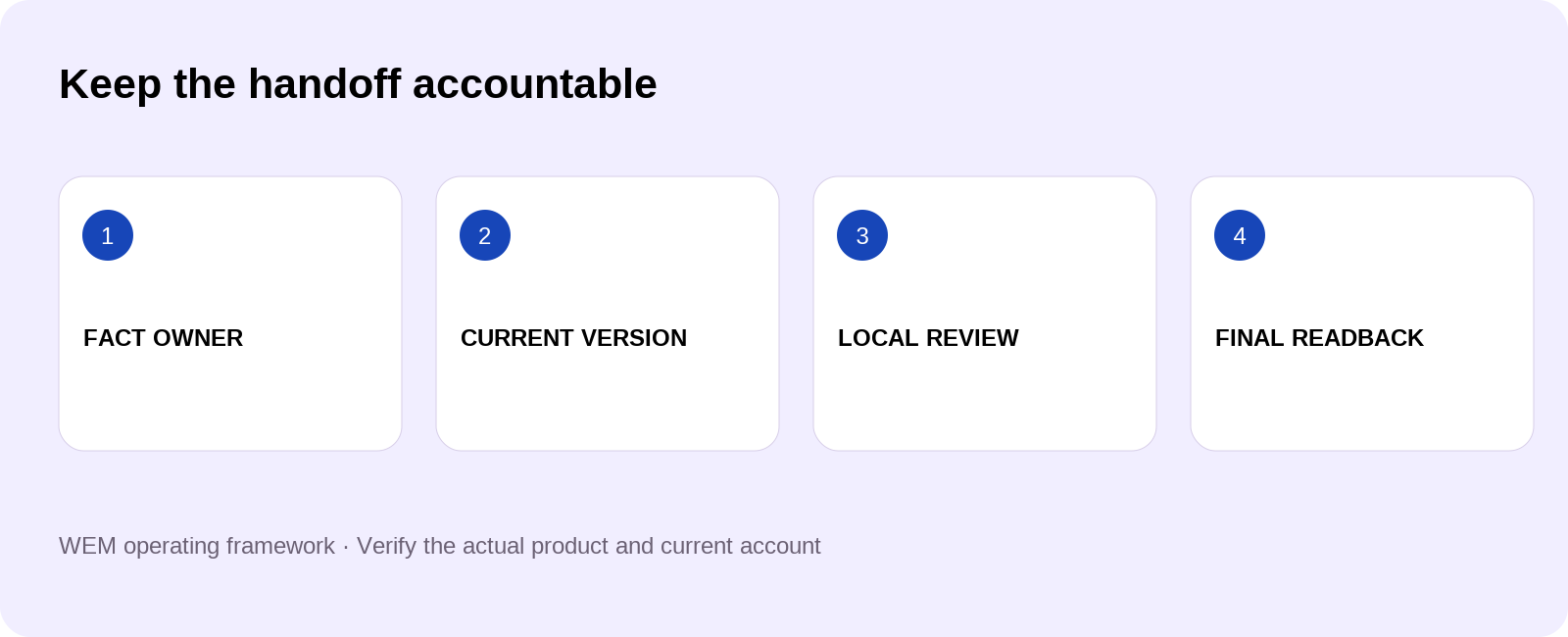
WEM's U.S. agency perspective is to connect these checks across the people who actually publish and promote the asset. The brand supplies verified product facts, the rights owner agrees the use, the editor makes the defined correction and the distribution owner reads back the final version. No single AI tool can make those decisions on behalf of all four parties.
The smallest action today
Choose one AI-assisted holiday video already scheduled for reuse. Write down the apparent speaker, the strongest product takeaway, the material AI changes and the intended channels. Find the supporting evidence and permission for each. Correct an unresolved item before expanding the asset's distribution.
After the campaign, compare creative variants only when you know which version ran, where it ran and what offer it carried. Views or sales alone do not show that AI editing caused the result. Keep the review record so the team can reuse accurate work without repeating the same uncertainty next season.
Frequently asked questions
Are AI voices prohibited in TikTok Shop videos?
The official rules permit responsible AI use, including translation and dubbing, subject to truthfulness, rights and disclosure requirements. A synthetic voice must not create an unauthorized impersonation or false endorsement.
Does an AI-generated label make a fictional doctor acceptable?
No. Disclosure does not cure a fabricated professional identity used to endorse product efficacy. Review the speaker's representation and the underlying product claim separately.
Can we dub a creator into English without asking?
Do not assume existing video usage rights cover synthetic dubbing or changed statements. Confirm the proposed use, translation and agreement with the relevant rights holder before distribution.
Which product details should an AI review cover?
Check the exact SKU, appearance, dimensions, quantity, included items, use and supported performance. Review the implied timeline and any generated before-and-after rather than checking only the spoken words.
Can a successful TikTok Shop asset become a Meta ad?
Only after checking the applicable usage rights, included materials, edits and destination. In-platform permission and good performance do not automatically establish rights to a separate cross-platform upload.
What can still be corrected during BFCM?
Identify the exact unsupported statement, identity cue or product effect in an asset selected for reuse. Agree a realistic correction, review the final file and update every planned placement that would otherwise use the old version.
Source notes
Reviewed November 26, 2026: TikTok Shop AI-generated content requirements and responsible health-related content requirements. WEM's workflow and hypothetical example are operating recommendations, not legal advice, platform approval or a reported campaign result. Permissions depend on the actual agreement and proposed use.