TIKTOK SHOP U.S. · PARTNER MANAGEMENT
How to Measure a TikTok Shop Partner After You Hire Them
WE Marketing Team · Aug 17, 2026 · 15 min read
Direct answer: measure the operating system the Partner builds, not only the GMV it touches
A TikTok Shop Partner should be evaluated on whether it improves the brand's ability to make product, creator, content, commercial, and shop decisions. Gross GMV matters, but gross GMV by itself cannot tell you whether the Partner created incremental value, inherited an existing winner, relied on one creator, increased discounts, consumed too many samples, or built a process the brand can repeat.
WEM uses a layered scorecard. Start with operating ownership, then examine creator quality and follow-through, content learning, product and campaign contribution, settled economics, and the quality of weekly decisions. The goal is not to make every week look positive. The goal is to know what changed, why it changed, who owns the response, and whether the next cycle becomes more precise.
A useful Partner does not just report activity. It reduces the number of important decisions the brand has to make blindly.
Define contribution before you score performance
Before the first review, write the baseline. Record the products, creator pipeline, active content, shop health, inventory, offers, campaigns, commission structure, paid support, and recent commercial results that existed before the engagement. Then define what the Partner owns directly, what it influences, and what stays with the brand. Without that scope map, the Partner can be blamed for fulfillment it does not control or credited for demand created before it arrived.
The current Affiliate Partnerships Overview can aggregate agency, product, campaign, content, and creator metrics. It includes paid and settled order views, estimated and actual commission concepts, top videos, products, and campaigns, plus agency-level data. The current source states that the data updates daily for the previous day rather than in real time and can cover up to one year. Treat that page as an evidence source, not a complete performance verdict.
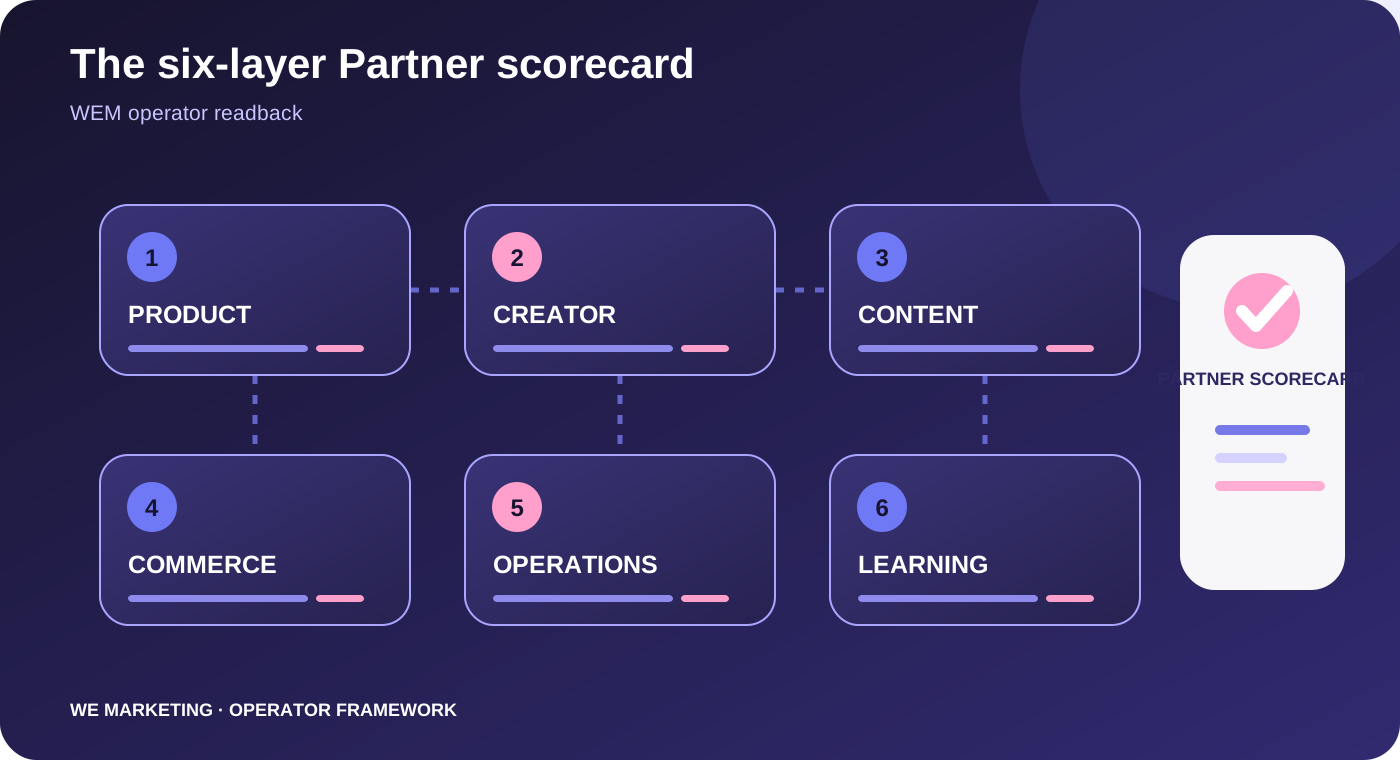
The six-layer WEM Partner scorecard
| Layer | What good looks like | Warning signal |
|---|---|---|
| Operating ownership | Named owners, predictable cadence, clean handoffs, issue escalation, and decisions with dates. | The brand still chases every task and rebuilds context each week. |
| Product focus | A small active portfolio with a clear role, inventory plan, offer, and stop rule. | Too many SKUs receive shallow activity and no product learning. |
| Creator system | Creator selection, outreach, sample approval, follow-up, posting, and repeat relationships are tracked separately. | Large invitation counts hide weak fit or low follow-through. |
| Content learning | The team can explain which hooks, demos, objections, creators, and product truths deserve another test. | Content is counted but not reviewed for purchase intent or reuse. |
| Commercial quality | Paid orders, settled orders, refunds, commission, discounts, media, fulfillment, and contribution are read together. | Gross GMV rises while controllable cost or refund exposure is unknown. |
| Decision quality | Every review ends with keep, repair, expand, pause, or stop, plus an owner and next readback. | The report ends with observations and no changed action. |
Separate leading indicators from outcomes
Early in an engagement, the Partner may not have enough settled results to justify a final commercial conclusion. Leading indicators are still useful when they are tied to a decision. Examples include qualified creator response, sample acceptance, sample delivery, posting rate, time to first content, repeat content, product-link accuracy, content quality, product clicks, recurring shopper questions, and the speed of issue resolution. These show whether the system is becoming functional.
Outcomes include paid and settled orders, actual commission, refunds, contribution, inventory movement, customer experience, and repeat behavior where relevant. Do not collapse them into one blended score. A Partner can create strong creator interest around a product whose listing cannot convert. It can also inherit a converting listing but fail to develop new creator or content capacity. The scorecard should identify the layer that improved and the layer that blocked the result.
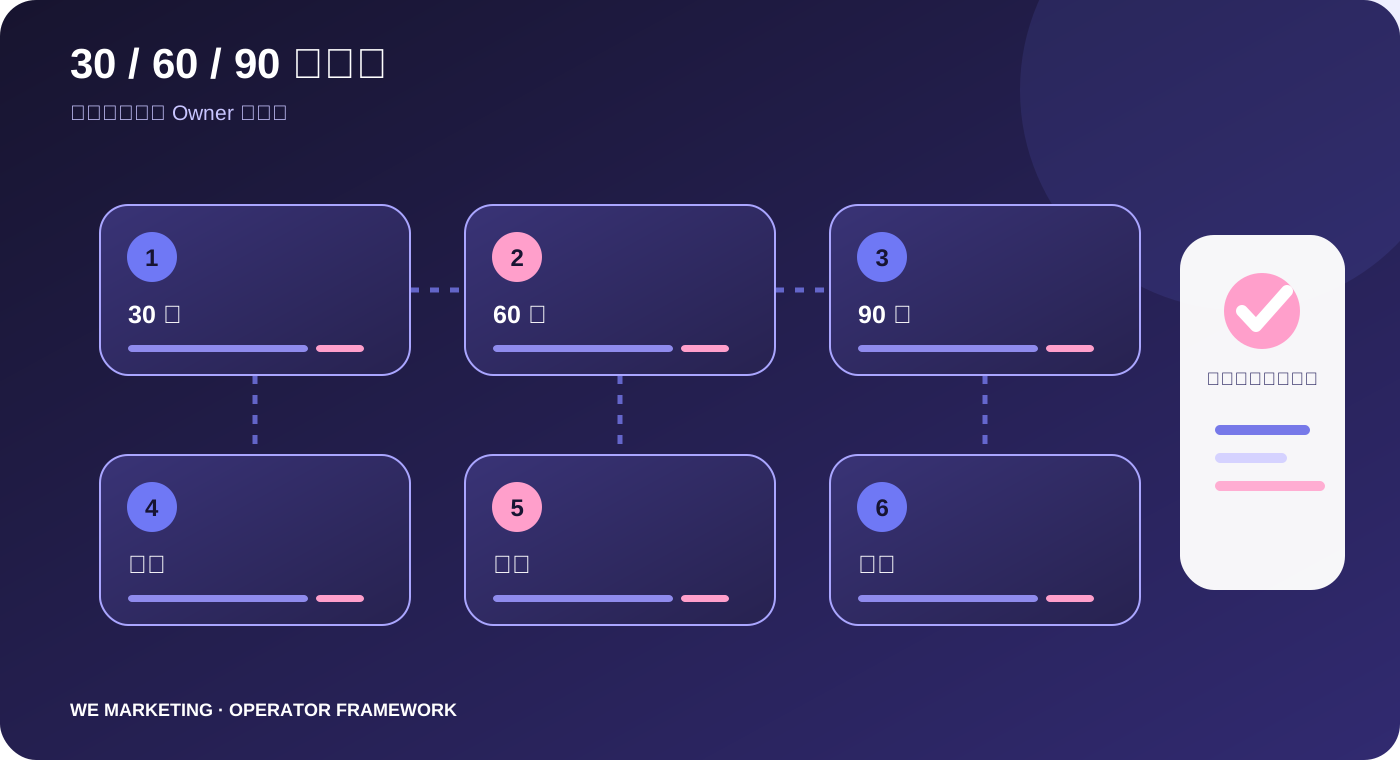
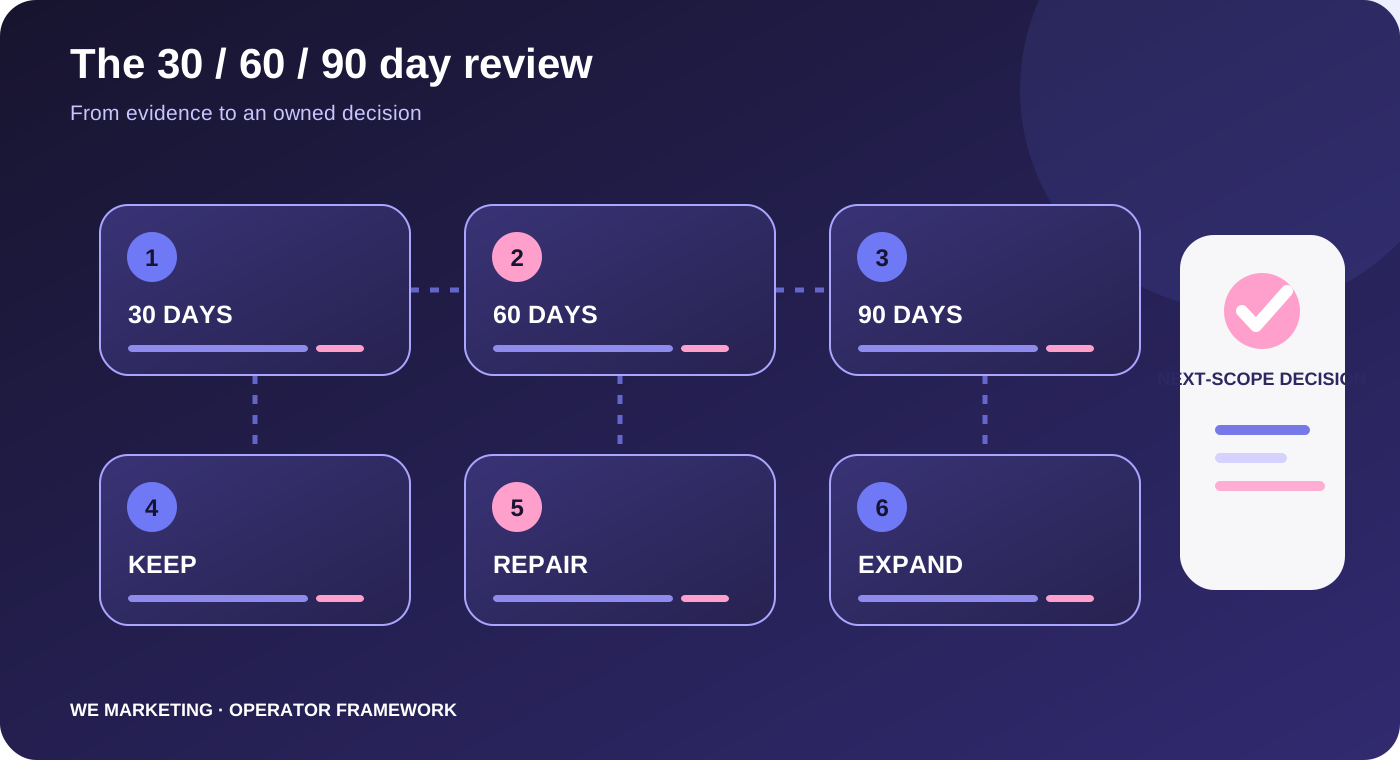
Use 30, 60, and 90 days for different questions
First 30 days: did the Partner establish control?
Review access, baseline, product priorities, creator criteria, sample workflow, briefs, reporting definitions, issue escalation, and meeting cadence. The question is whether the operating system exists and whether early activity is pointed at the right product and creator cohorts.
By 60 days: is the system producing useful learning?
Review creator response through posting, content angles, product clicks, listing friction, offer response, inventory readiness, and the first paid versus settled commercial readback. The question is whether the Partner can diagnose a bottleneck and change the next cycle.
By 90 days: what deserves continuation or expansion?
Review repeatability across creators and content, settled economics, product concentration, operational reliability, and what the brand can now do more confidently. Decide whether to expand scope, repair a weak workstream, narrow the active portfolio, change the commercial model, or stop.
A weekly Partner review needs evidence and owners
The Partner should arrive with a pre-read that distinguishes platform-reported data, brand-supplied data, and interpretation. The brand owner should bring stock, margin, product changes, service issues, and decisions that sit outside the Partner's access. Review exceptions first: broken listings, low stock, policy or account risk, missed samples, creator commitments, and live campaign deadlines. Then review the performance funnel and end with no more than five owned actions.
Use current UI paths as directions, not permanent facts. The official Partner overview is currently under Affiliate Center, Work with Partners, Affiliate Partnerships Overview, but access and naming can vary by account. Data is not real time, and the platform's GMV definition can include orders later affected by returns or refunds. Use settled views and the brand's own product economics before making a contract decision.
Hypothetical example: strong GMV, weak operating value
This is a hypothetical example, not a WEM client result. A skincare brand hired a Partner and saw affiliate GMV rise in month two. The scorecard showed that most of the increase came from one creator and one pre-existing hero product. Sample approval was broad, repeat posting was low, the Partner could not explain which content proof should be repeated, and the brand team still handled every creator exception. The decision was not to fire the Partner immediately or celebrate the headline. The parties narrowed the next month to two product jobs, a repeat-creator cohort, a shared issue log, and a clear content-learning review. The next decision would be based on whether the system became less dependent on one creator.
Smallest useful next action
Take the last four weeks and complete six rows: product focus, creator pipeline, content learning, commercial quality, operational ownership, and next decisions. Give each row one evidence link, one status, one owner, and one next readback date. If the review cannot identify who owns the correction, the problem is operating design before it is performance.
Source notes and operating boundary
Primary U.S. sources revalidated on August 20, 2026 include Affiliate Partnerships Overview, Creator Matchmaking Tool, Seller POV, ACE Your Shop Seller Playbook 2026, and ACE-powered diagnostics material. Platform paths, metric definitions, availability, attribution, and performance claims can change or be account-specific. WEM does not use source performance claims as a promise for a client.
Related WEM modules: questions to ask before hiring, brand Partner readiness, and growth bottleneck diagnosis.
Frequently asked questions
Is GMV the main way to evaluate a TikTok Shop Partner?
It is an important outcome, but it needs baseline, attribution, refunds, commission, cost, product concentration, and operating ownership around it.
What should a Partner prove in the first 30 days?
Control of the operating basics: priorities, access, owners, creator workflow, reporting definitions, escalation, and the first useful learning cycle.
How do we compare two Partners fairly?
Use the same product and scope definitions, date window, data freshness, cost boundary, and scorecard. Do not compare one Partner's gross activity with another's settled contribution.
What if platform data is not real time?
Label the freshness, avoid same-day conclusions, and schedule decisions after the relevant data has updated. Combine it with live operational exceptions.
Should we count invitation volume?
Only as an input. Qualified response, sample acceptance, posting, repeat content, content usefulness, sales, and relationship development matter more.
When should a brand change or end the partnership?
When agreed repair cycles repeatedly fail, ownership remains unclear, evidence cannot be reconciled, or the Partner cannot turn results into better next decisions.