WE Marketing · WEM · TikTok Shop IP · Seller Protection
How TikTok Shop Sellers Can Protect Themselves From IP Risk
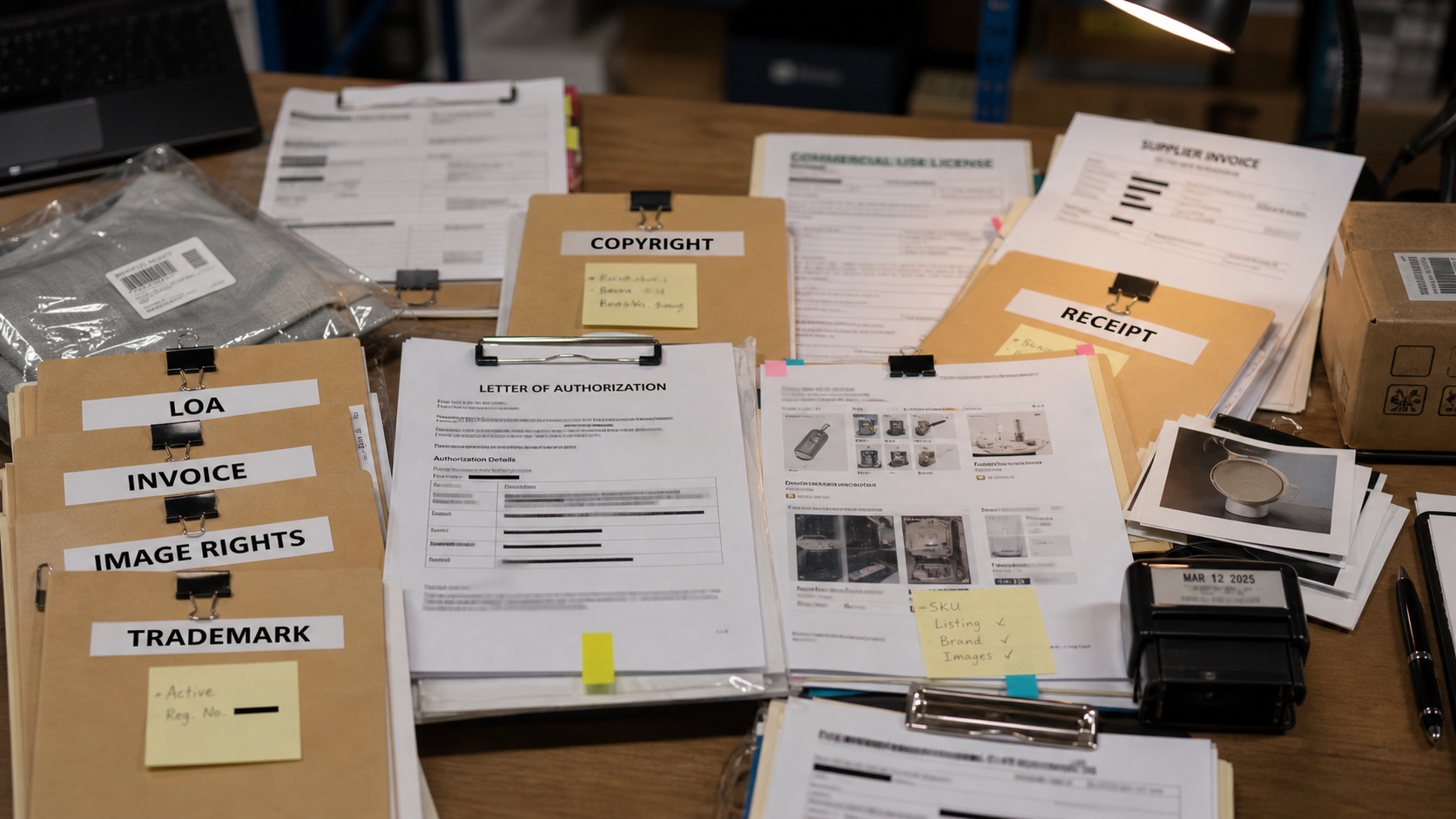
Intellectual property risk is one of the most underestimated problems on TikTok Shop. Many sellers think only about counterfeit goods or unauthorized luxury logos. Those are major risks, but they are not the whole picture. TikTok Shop IP risk can also come from product photos, listing copy, packaging, shop names, creator videos, livestream scripts, music, artwork, supplier documents, brand authorization chains, design patents, and the use of a celebrity name or image.
IP protection starts before the product goes live
A risky product listing can become a risky creator video. A risky creator video can become a risky ad. A risky livestream script can create Shop Health issues, listing restrictions, product takedowns, or account-health warnings. Sellers should check product identity, visual similarity, product images, listing copy, creator scripts, music, supplier records, LOA files, license agreements, invoices, receipts, and commercial-use rights before scaling TikTok Shop affiliate marketing or paid amplification.
Brand authorization must be documented
TikTok Shop may require Brand Authorization for certain brands, products, and categories. Sellers should not rely on a supplier saying that a product is safe to sell. A usable authorization file should show who owns the IP, who receives the authorization, what rights are granted, whether TikTok Shop US sales and content use are included, and whether the authorization is still valid. For second-level authorization, the seller may need a complete authorization chain from brand owner to distributor to seller.
Appeals need evidence, not emotion
If a seller receives an IP violation, listing takedown, product removal notice, Shop Health record, or account-health warning, the appeal should be built around evidence. Useful evidence may include trademark, copyright, or design patent certificates; LOAs; license agreements; authorization contracts; supplier invoices; receipts; product comparisons; original image files; timestamps; and metadata. Invoices do not automatically replace brand authorization or commercial-use rights, but they may help show legitimate purchase when they match the disputed product and timeline.
Build an IP evidence file for every priority SKU
Every priority SKU should have supplier contracts, invoices, original receipts, brand authorization, LOAs, commercial-use licenses, original creative files, timestamps, metadata, listing screenshots, and a record of which seller entity and market each authorization covers. TikTok Shop currently expects purchase evidence to match the product and predate the listing, and digital files need rights that support commercial use.
Choose the correct TikTok Shop IP appeal path
The evidence depends on whether the seller owns the IP, has permission from the rights owner, purchased through a legitimate channel, or believes the platform misidentified the product or content. TikTok Shop currently permits sellers up to two appeals per case, with platform deadlines that should be verified inside Shop Health before submission.
Brands also need to protect their own IP
Brand owners should keep trademark and USPTO records updated, preserve copyright ownership records for photos and videos, use clear agreements with creators and agencies, define which sellers are authorized, and keep infringement-report evidence templates ready. For US TikTok Shop brands, USPTO records, US trademark classes, copyright ownership evidence, design patents, and DMCA-related documents can be especially important.
How WEM helps TikTok Shop sellers reduce IP risk
WEM does not present IP work as a guaranteed appeal solution, and legal questions should be reviewed with qualified counsel. WEM helps sellers build the operating system around IP risk: product screening, listing review, creator-content guardrails, documentation organization, affiliate brief review, Spark Ads asset checks, and an IP violation response SOP. This protects growth because a single risky asset can move from product page to creator content to livestream to paid ads before the team sees the problem.
Add IP review to the weekly operating cadence
Brands should review authorization and image ownership before launch, creator-content boundaries before seeding, reuse and commercial-ad rights before paid amplification, and Shop Health notices, expiring LOAs, removed listings, and high-spend SKUs during weekly review. IP protection belongs inside the same operating system as content, affiliate, live selling, ads, and market expansion.
TikTok Shop 的 IP 风险不只是卖假货。卖家要提前准备品牌授权、LOA、供应商发票、商业使用权、达人内容边界和申诉证据链。WEM 可以帮助品牌把 IP 风险前置到 TikTok Shop 商品页、达人联盟、UGC 内容、直播和投放流程里,但商标、版权、专利、DMCA 和法律问题仍应咨询专业律师或相关顾问。